Black Friday: What 14 Million Consumer Reviews Reveal About the World’s Biggest Shopping Weekend
Consumer Insights


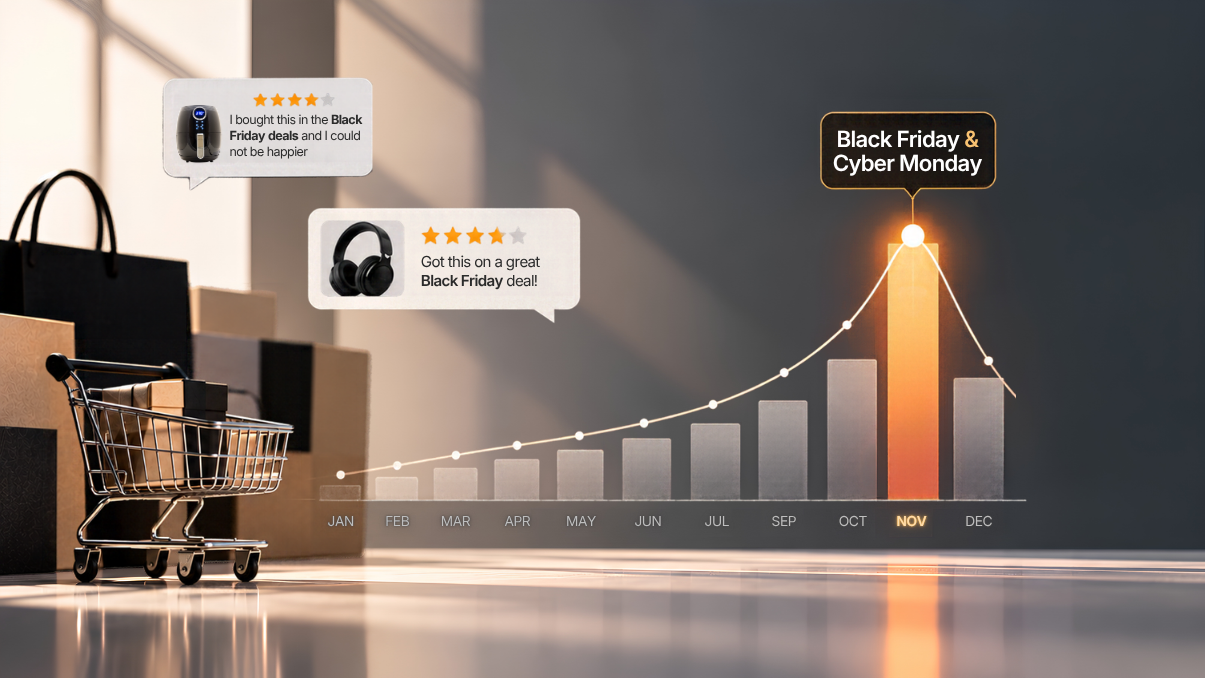

Black Friday (November 27th) and Cyber Monday (November 30th), 2026, are just over a month away, and for thousands of consumers and businesses around the world, that means getting ready for one of the busiest (and most overwhelming) weekends of the year.
For consumers, it can mean camping outside stores before dawn or refreshing product pages at midnight to snag the best deals. For e-commerce players and retailers, from Amazon and Walmart to Target, Best Buy and Apple, it means having the strongest strategies and deals ready, especially in categories that see a spike every year, from consumer electronics to home and kitchen appliances.
Before getting into what consumers are actually saying about their Black Friday purchases, it helps to know how this shopping phenomenon came about in the first place.
The first use of the term Black Friday dates back to around the 1800s, and the origin is darker than most people assume, tied to financial crashes such as the U.S. gold market crash of 1869 rather than anything related to Thanksgiving. Of the many versions of the story, the most common one involves retailers and their accounting practices. Retail companies recorded revenue losses in red and profits in black, so after a year of operating at a loss, businesses would turn a profit on the day after Thanksgiving as customers rushed in for holiday deals and discounts. This is the version of the story that stuck, even though historians question how accurate it really is.
Cyber Monday came later. Around 2005, the US industry group representing online-only sellers, a fairly new category of retailer at the time, created Cyber Monday to generate their own non-store event. Traditional retailers soon joined in, and Cyber Monday effectively extends Black Friday weekend by another day under a new name.
Today, the weekend signals the start of Christmas shopping, with stores offering big discounts to bring in shoppers, and the event has spread well beyond the US. But how much of this shopping frenzy actually shows up in what consumers say after they buy? To find out, the data was the place to look.
Sales figures show how much people buy during Black Friday. Reviews show what they think afterward. More than 14 million reviews published between January 2023 and today were analyzed, across around 60 countries, 300 e-retailers, and categories including kitchen appliances, home appliances, cosmetics and fashion. The results were surprising.
Black Friday generates a significant spike in sales for many manufacturers, particularly in electronics and home care, and it has become one of the key moments of the year for e-commerce sales. Despite that, it remains a minor theme in reviews. Customers rarely openly mention buying a product during Black Friday, with less than 1% of reviews referencing it. That percentage can roughly double when looking at Q4 reviews specifically, but it is still a small fraction of the total. When Black Friday is mentioned, it is almost always about price, in either direction, with some customers expressing satisfaction at getting a good product for a discounted price, and others suggesting a product is only worth buying if you wait for the sale.
One reviewer wrote about a coffee machine: “Very happy with my purchase, very beautiful coffee machine, I love it. Unbeatable price thanks to Black Friday, so I took advantage of it and I got about 60 euros off.”
Another, about the same type of product, took the opposite view: “Very good quality. The coffee tastes intense. Unfortunately, the price is too high; during Black Friday, you can buy it for less, which I unfortunately didn’t do.”
Reading comments like these at scale is where a customer feedback analysis tool becomes useful, since it can separate genuine price complaints from price-driven satisfaction across millions of reviews rather than a handful of examples.
Mentions of Black Friday across categories follow a clear pattern tied to purchase behavior. The highest rates show up for mid-priced durables that buyers tend to wait for a deal on, such as vacuum cleaners, audio devices, coffee machines and premium hair styling tools. Rates are lower in categories where purchases come from need or routine, such as consumables, skincare or baby care, since people buy those regardless of a sale.
While Black Friday originates in the US, the event is no longer country-specific, with mentions of Black Friday purchases coming from all over the world. Italy stands out as the country where, across all analyzed categories, the percentage of mentions for Black Friday purchases is consistently the highest, with 7 out of 10 people buying during Black Friday in 2025 in Italy and total spend growing 7% versus the previous year.* On the other end, some large markets show close to zero mentions of Black Friday, including China, Russia, Turkey, Indonesia and Poland. In parts of Asia in particular, local sale days such as 11.11 and 618 in China remain the primary events for e-commerce deals rather than Black Friday itself.
Retailers that run their own Black Friday event tend to create concentrated hotspots of mentions. The highest mention rates almost always sit with retailers running a branded event. Amazon Italy, for example, is the top or near-top channel across every scope analyzed. In Romania, eMAG and Altex show a concentration of mentions tied to specific deals. In Korea, Musinsa accounts for more than half of all mentions on selected brands. Platforms for customer review analytics make it possible to see these retailer-level concentrations clearly, rather than treating Black Friday mention volume as one blended global number.
A handful of products or deals can drive a whole result, particularly when a brand runs a very aggressive promotion. Skullcandy ran a strong deal a couple of years ago on Walmart that drove an outsized spike in reviews for that November. Similarly, SharkNinja air fryers on Argos had strong deals for two years in a row, showing a spike in mentions during the months of December. A single strong deal, in other words, can be enough to make a brand stand out in the broader Black Friday conversation.
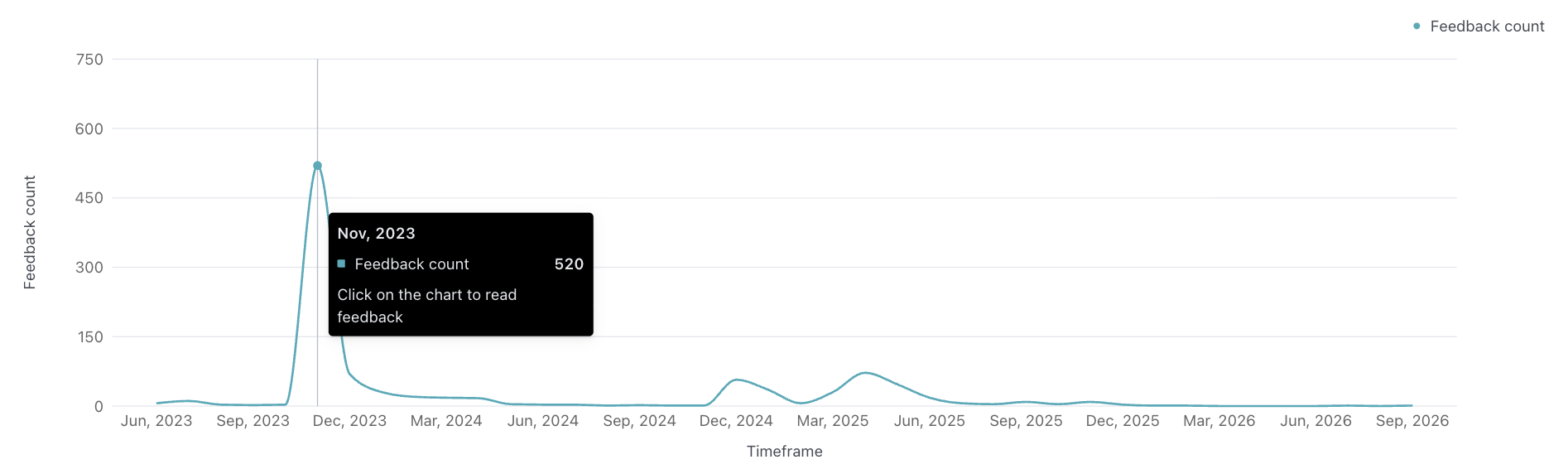
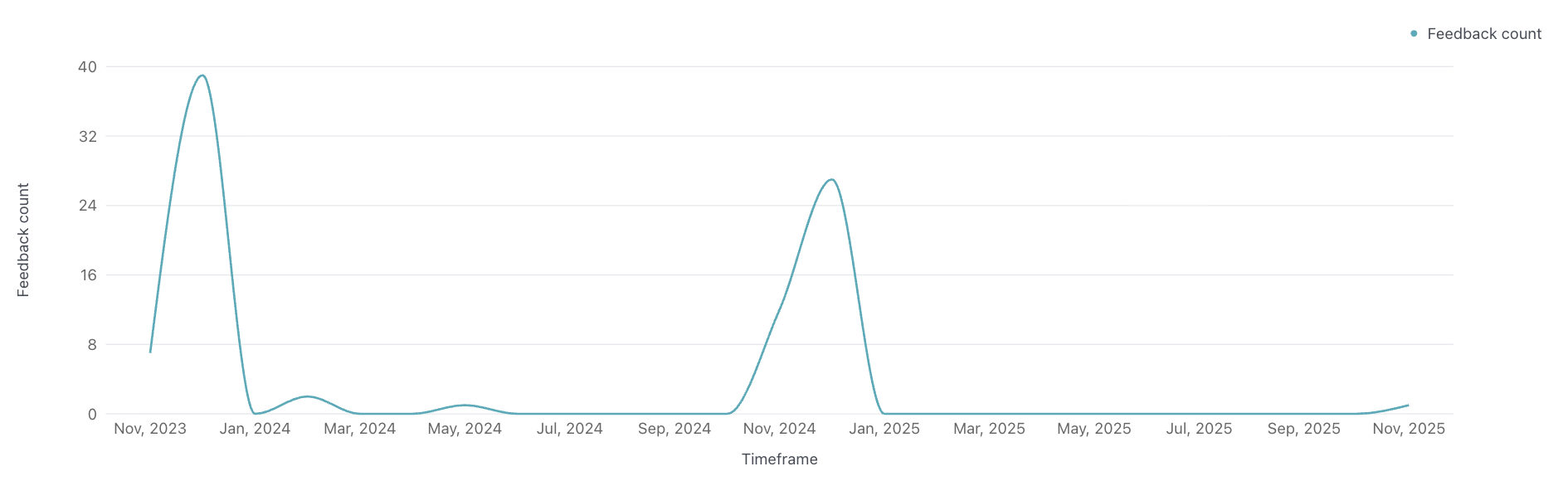
Across age groups, young adults between 18 and 34 mention Black Friday deals more than other groups. This tracks with what you would expect from a digitally savvy audience that, on average, has less spending power than older groups, which makes them more price-aware and more attentive to offers.
Online reviews are a key source of information for consumers deciding what to buy during Black Friday and Cyber Monday, and for brands trying to keep up with what consumers expect. A few things are worth considering heading into the season.
Several things for product managers, marketers, and decision-makers to consider:
In every category, a few attributes cannot be compromised: quality, performance and ease of use. Buyers looking for a deal still want to know they are getting a great product, not just a cheap one. Making product strengths clear in marketing messages and on product pages, along with clear user instructions, helps customers get the most out of their purchase. A good post-sale experience is what leads to the positive reviews that influence next year’s Black Friday shoppers. It also helps to highlight how products match relevant category trends and the audiences most active during the sales, such as price-conscious, digitally savvy young adults. A voice of customer platform with generative AI built into its analytic layer can turn consumer reviews into insights, and even tailored marketing messages, in seconds rather than days.
Knowing a product’s strengths relative to competitors, and communicating them clearly, helps attract customers looking for specific features. Since one strong deal can make a brand stand out in the Black Friday conversation, knowing exactly where a brand wins matters even more during this period. Natural language processing technology allows for this kind of advanced competitive benchmarking.
Use a VoC management tool to catch what’s easy to miss. AI-powered technology can now help pinpoint the exact causes of customer complaints and even recommend which product specs need improvement. With thousands of reviews written every day, it is easy to miss early warnings and opportunities in customer feedback, and that risk is higher during peak periods like Black Friday. A customer insights platform built for this kind of volume helps brands stay ahead of both complaints and opportunities as they emerge, rather than finding out after the season has ended.
*Sources: Argos.co.uk, Osservatori.net and Bain & Company Italy
Wonderflow helps leading consumer brands transform unstructured feedback into actionable insights. Its AI Product Intelligence platform analyzes millions of online ratings, reviews, surveys, and customer comments, empowering teams to make smarter product, marketing, and customer experience decisions.


The AI platform that transforms customer feedback into actionable insights